1. Schedule Regular Roof Inspections
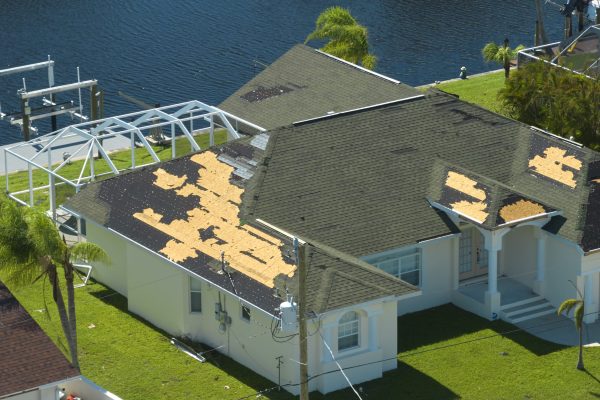
Inspect your roof at least twice a year — in spring and fall — and after major storms. Look for:
* Missing or cracked shingles
* Soft spots or sagging areas
* Damaged flashing around chimneys and vents
* Signs of water stains inside your home
Early detection prevents small problems from turning into major repairs.
2. Keep Gutters Clean & Flowing
Clogged gutters cause water to back up under shingles, leading to leaks, mold, and roof rot.
Make sure to:
✔ Remove leaves and debris regularly
✔ Check downspouts for blockages
✔ Ensure water flows away from your foundation
Clean gutters protect both your roof and your home’s structure.
3. Remove Moss, Algae & Debris
Moss and algae trap moisture that slowly damages shingles.
To prevent roof deterioration:
* Gently clean affected areas
* Trim overhanging tree branches
* Keep debris from building up
This helps your roof last longer and improves curb appeal.
4. Repair Small Issues Immediately
Even minor damage can allow water to enter your home.
Fix promptly:
✔ Loose or missing shingles
✔ Cracked flashing
✔ Small leaks
✔ Nail pops or lifted edges
Quick repairs save thousands in future restoration costs.
5. Prepare for Storm & Winter Weather
Connecticut storms can be tough on roofs. Before heavy rain, snow, or wind:
* Secure loose materials
* Check for weak areas
* Ensure gutters are clear
After storms, inspect your roof to catch damage early.
6. Invest in Professional Maintenance
While basic checks help, professional roof inspections ensure:
✔ Hidden damage is found
✔ Proper repairs are made
✔ Roofing lifespan is extended
✔ Warranty protection stays valid
Professional care keeps your roof in peak condition.
1. Boosts Curb Appeal Instantly
A refreshed exterior makes your home look newer, cleaner, and more attractive.
Upgrades like:
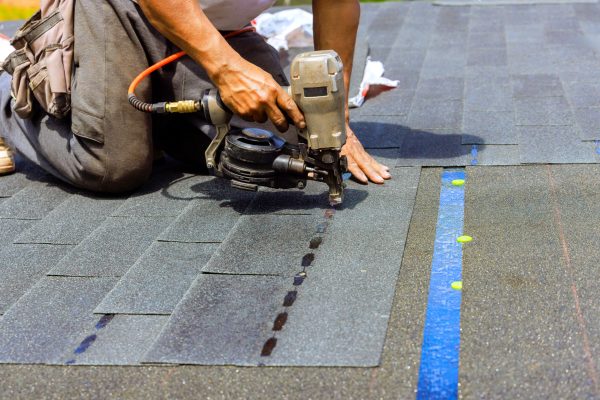
✔ New siding
✔ Fresh exterior paint
✔ Updated windows and doors
✔ Modern trim and finishes
can dramatically improve first impressions — which directly affects resale value.
Homes with strong curb appeal often sell faster and at higher prices.
2. Increases Overall Property Worth
Exterior remodeling offers one of the highest returns on investment in home improvement.
Projects that add strong value include:
* Siding replacement
* Roof upgrades
* Energy-efficient windows
* Exterior renovations
These improvements signal to buyers that the home is well-maintained and built to last.
3. Improves Energy Efficiency
Modern materials help regulate indoor temperature and reduce utility bills.
Benefits include:
✔ Better insulation
✔ Reduced heat loss in winter
✔ Cooler interiors in summer
✔ Lower energy costs
Energy-efficient homes are more appealing to buyers and appraisers alike.
4. Protects Your Home From Damage
Exterior remodeling isn’t just cosmetic — it strengthens your home’s structure.
New siding, roofing, and sealing protect against:
* Moisture intrusion
* Mold and rot
* Storm damage
* Structural wear
This prevents costly repairs and extends your home’s lifespan.
5. Makes Your Home More Marketable
Updated exteriors make listings stand out in competitive housing markets.
Buyers love:
✔ Modern design
✔ Low maintenance materials
✔ Fresh finishes
✔ Move-in ready condition
A remodeled exterior often leads to quicker sales and stronger offers.
1. Missing, Cracked, or Lifted Shingles
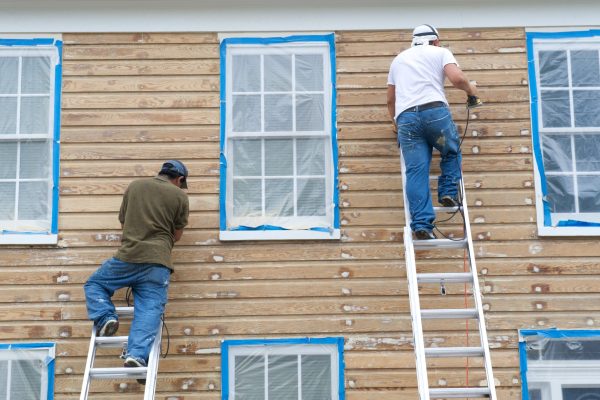
High winds and hail often loosen or break roofing materials.
Watch for:
* Bare spots on your roof
* Curled or torn shingles
* Shingle granules in gutters
These are early signs water can enter your home.
2. Water Stains or Ceiling Leaks
Brown stains, peeling paint, or dripping water are clear indicators of roof damage.
Leaks can quickly lead to:
✔ Mold growth
✔ Rotting wood
✔ Structural weakening
Addressing leaks immediately prevents serious damage.
3. Damaged Siding or Exterior Walls
Storm winds can crack, loosen, or rip off siding.
Look for:
* Gaps between panels
* Warping or dents
* Exposed insulation
Damaged siding allows moisture to penetrate your home.
4. Fallen Debris or Tree Impact
Even small branches can crack shingles or puncture roofing materials.
After storms, always inspect for:
✔ Roof punctures
✔ Broken gutters
✔ Cracked flashing
Impact damage often worsens over time if untreated.
5. Drafts or Higher Energy Bills
Storm damage can break seals around windows, doors, and roofs — causing air leaks.
If your home suddenly feels colder or hotter, or your energy bills rise, storm damage may be the cause.
6. Mold, Odors, or Humidity Indoors
Hidden moisture creates perfect conditions for mold growth.
Warning signs include:
* Musty smells
* Visible mold spots
* Increased indoor humidity